
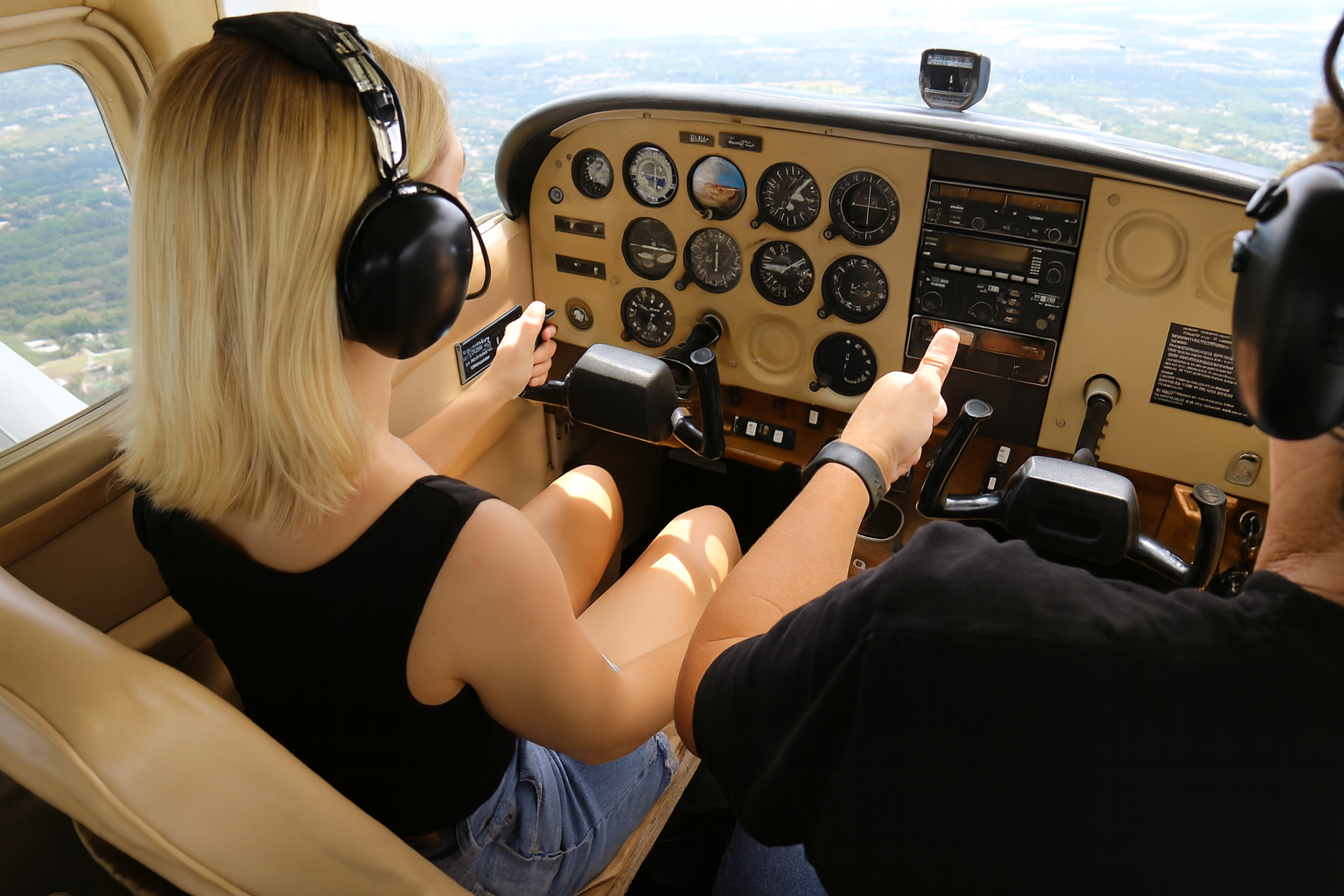
Instrument Pilot Certificate
Eligibility Requirements
To obtain an Instrument Rating under FAR Part 61, you must:
Hold at least a Private Pilot Certificate
Be able to read, speak, write, and understand English
Hold at least a current FAA medical certificate
Receive a logbook endorsement for the FAA Knowledge Test
Pass the FAA Instrument Rating Knowledge Test
Pass the FAA Instrument Rating Practical Test (Checkride)
Aeronautical Experience Requirements
A person applying for an Instrument Rating must log the following flight experience:
Instrument Time
50 hours of cross-country flight time as Pilot in Command
40 hours of actual or simulated instrument time
The instrument time must include:
15 hours of instrument flight training with a Certified Flight Instructor – Instrument (CFII)
Cross Country Requirement
One IFR cross-country flight of at least 250 nautical miles that includes:
Three different types of instrument approaches
At three different airports
Using airways or ATC-directed routing
Privileges
File and operate on IFR flight plans
Fly instrument approaches such as ILS, RNAV (GPS), VOR, and Localizer approaches
Increase safety by maintaining control of the aircraft using instruments alone
Expand your travel capability by flying when weather conditions would normally prevent VFR flight
An Instrument Rating is one of the most valuable ratings a pilot can earn and significantly improves a pilot’s safety, precision, and overall skill level.